



















Greater Safety in Ongoing Operations
Especially with pressure vessel testing or machine maintenance: Those who see early what's changing can act in time.
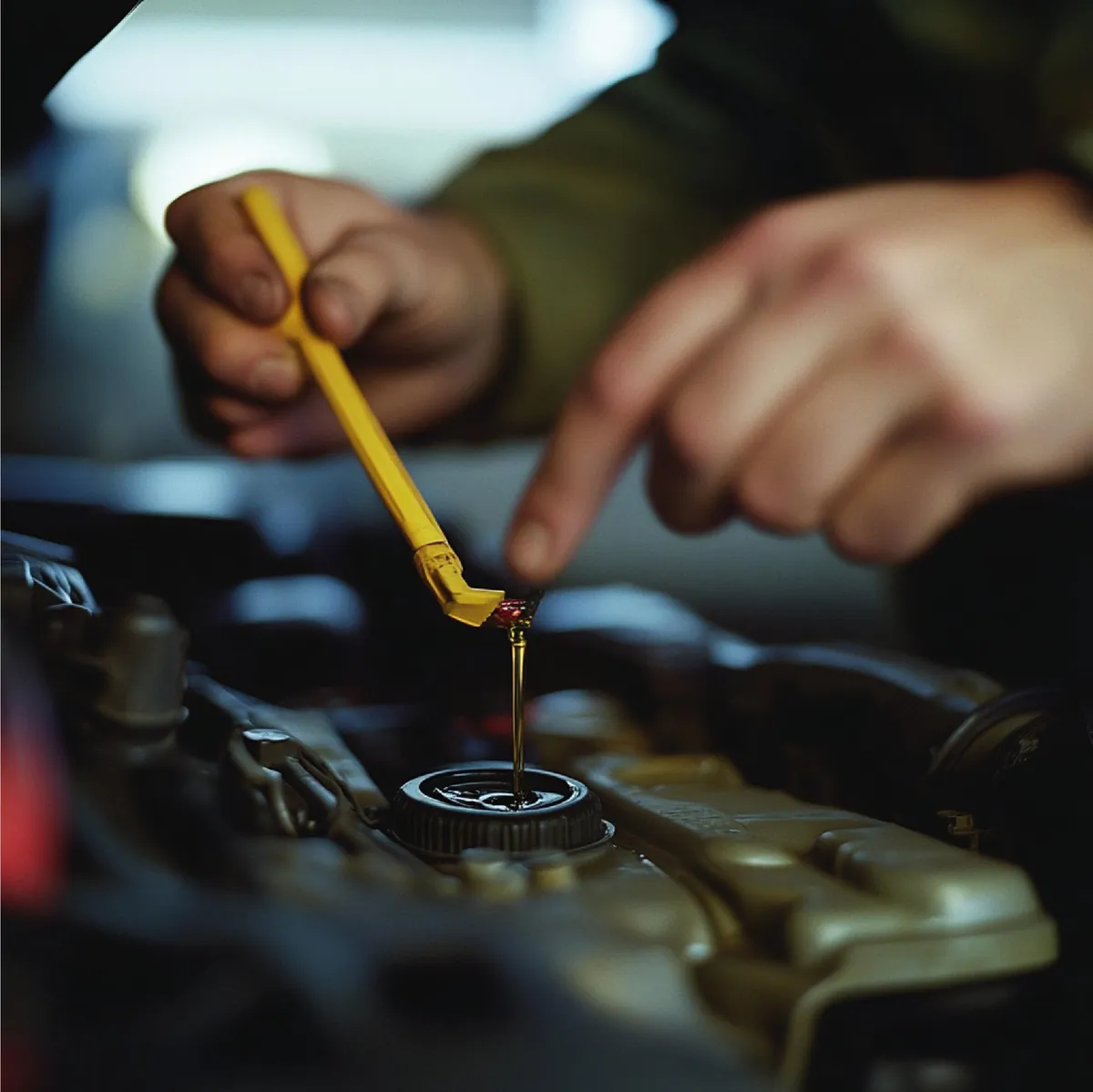
Automotive maintenance rewards the attentive owner. A vehicle communicates constantly through sounds, smells, warning lights, and fluid levels, and knowing how to interpret those signals separates a minor fix from a costly repair. Running through a vehicle inspection checklist regularly gives you a structured way to catch problems before they compound. That means checking tire pressure and tread depth, testing all exterior lights, inspecting brake pad thickness, and verifying that fluid reservoirs sit within their marked ranges. At EVi Scopes, the inspection tools and equipment we supply are built around exactly this kind of systematic, hands-on approach.
Knowing how to check engine oil is one of the most practical skills any driver can have. With the engine off and the car on level ground, pull the dipstick, wipe it clean, reinsert it fully, and withdraw it again. The oil film should sit between the two markers and appear amber to light brown. Dark, gritty oil or a level below the minimum marker signals that service is overdue. Catching this early protects the engine from wear that accumulates silently over many miles of driving. The same disciplined approach applies across every system in the car. Coolant condition, belt tension, battery terminal corrosion, and air filter cleanliness all follow predictable degradation patterns. Building the habit of checking these on a consistent schedule, rather than waiting for a warning light, keeps repair costs manageable and the vehicle reliable for the long term.
Two of the most misunderstood signals in any vehicle are the check engine light and a failing air conditioning system. The check engine light meaning varies enormously depending on the fault code stored in the ECU. It can indicate anything from a loose fuel cap to a misfiring cylinder or a failing oxygen sensor. Without a diagnostic scan tool, the light alone tells you almost nothing specific, which is why so many drivers either ignore it or panic unnecessarily. At EVi Scopes, the correct response starts with retrieving the fault code promptly, since some underlying faults can damage catalytic converters or fuel systems if left unaddressed.

A complaint of car AC not blowing cold air points to a different category of problem. Refrigerant loss through a slow leak is the most common cause, but a faulty compressor clutch, a blocked condenser, or a failed expansion valve can produce identical symptoms. Diagnosing the root cause requires pressure testing the system rather than simply recharging refrigerant, which only masks the underlying fault. Car overheating causes follow a similarly branching logic: a low coolant level, a stuck thermostat, a failing water pump, or a blocked radiator can all push coolant temperatures into the danger zone. Each cause demands a different repair, so accurate diagnosis before any part replacement saves both time and money.


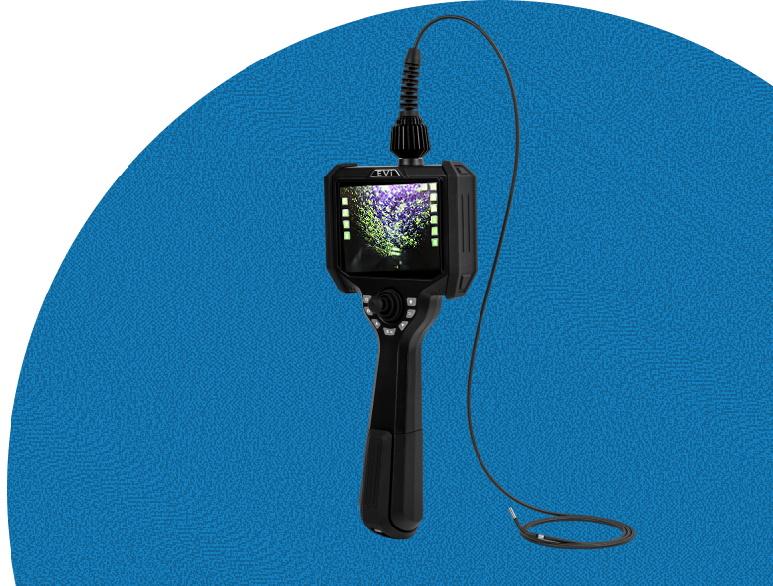
Many automotive faults hide in places that are physically inaccessible without disassembly. EVi Scopes video endoscopes are built for exactly this situation. Inserting a flexible probe into an engine cylinder, an exhaust manifold, or a cooling passage gives you a direct view of carbon buildup, corrosion, or mechanical damage without pulling the component apart. That single capability changes how thoroughly a vehicle inspection checklist can actually be completed.
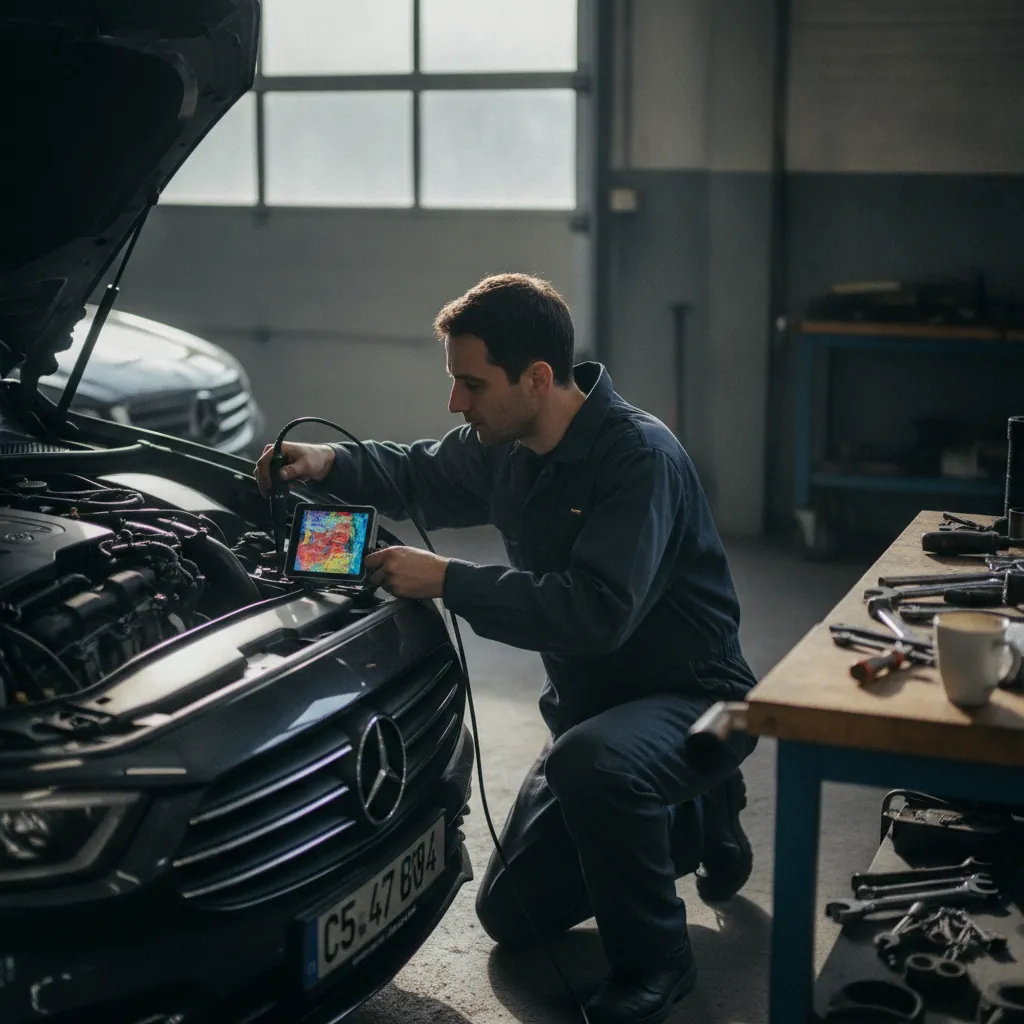
A fault code from an OBD scanner tells you which system is reporting an anomaly. It does not show you the physical condition of the components involved. That gap is where visual inspection with a video endoscope becomes genuinely useful. When a check engine light points to a cylinder misfire, inserting an endoscope probe through the spark plug bore lets you inspect the piston crown, cylinder wall, and valve seat directly. Scoring, carbon fouling, or a cracked valve becomes visible in seconds, and that finding determines whether the repair is a simple service or a full engine rebuild.
The same logic applies when diagnosing overheating or tracing why an AC system stops blowing cold air. Inspecting a radiator for scale deposits or an evaporator core for debris and corrosion gives a technician concrete evidence rather than guesswork. EVi Scopes offers probe diameters and lengths across its EVi 5, EVi 5.7, and EVi 6 series, covering the access constraints of different engine bays and component housings. Illumination options include white light for standard cavity inspection and UV light at 365 nm wavelength, which activates fluorescent leak detection dyes used widely in automotive AC and cooling system diagnostics. That combination of optical flexibility and illumination choice means a single tool handles multiple diagnostic workflows across the workshop.

The automotive aftermarket spans a wide range of workshop types, from independent garages handling general repairs to specialist shops focused on performance builds or collision restoration. Each setting places different demands on inspection equipment. An independent technician working through a vehicle inspection checklist on a high-mileage car needs a tool that delivers reliable image quality in confined, poorly lit spaces without lengthy setup. A performance shop inspecting a turbocharged engine for carbon deposits or valve seat wear needs the same optical clarity, plus a probe slim enough to pass through tight access points in a modified engine bay. What both share is a preference for tools that produce findings they can document and share with the vehicle owner. Showing a customer an endoscope image of a scored cylinder wall or a corroded evaporator core builds far more confidence in a repair recommendation than a verbal description alone. As DIY vehicle maintenance has grown alongside the availability of aftermarket parts online, EVi Scopes designs its professional instruments to stay in a different category from consumer-grade cameras in resolution, probe durability, and workshop reliability.
Whether industrial endoscope, uv inspection light or camera system – we deliver what you need for your visual inspection. Tailored to your needs. Direct, robust, reliable. Get expert advice now. We help you select and properly apply your inspection technology.
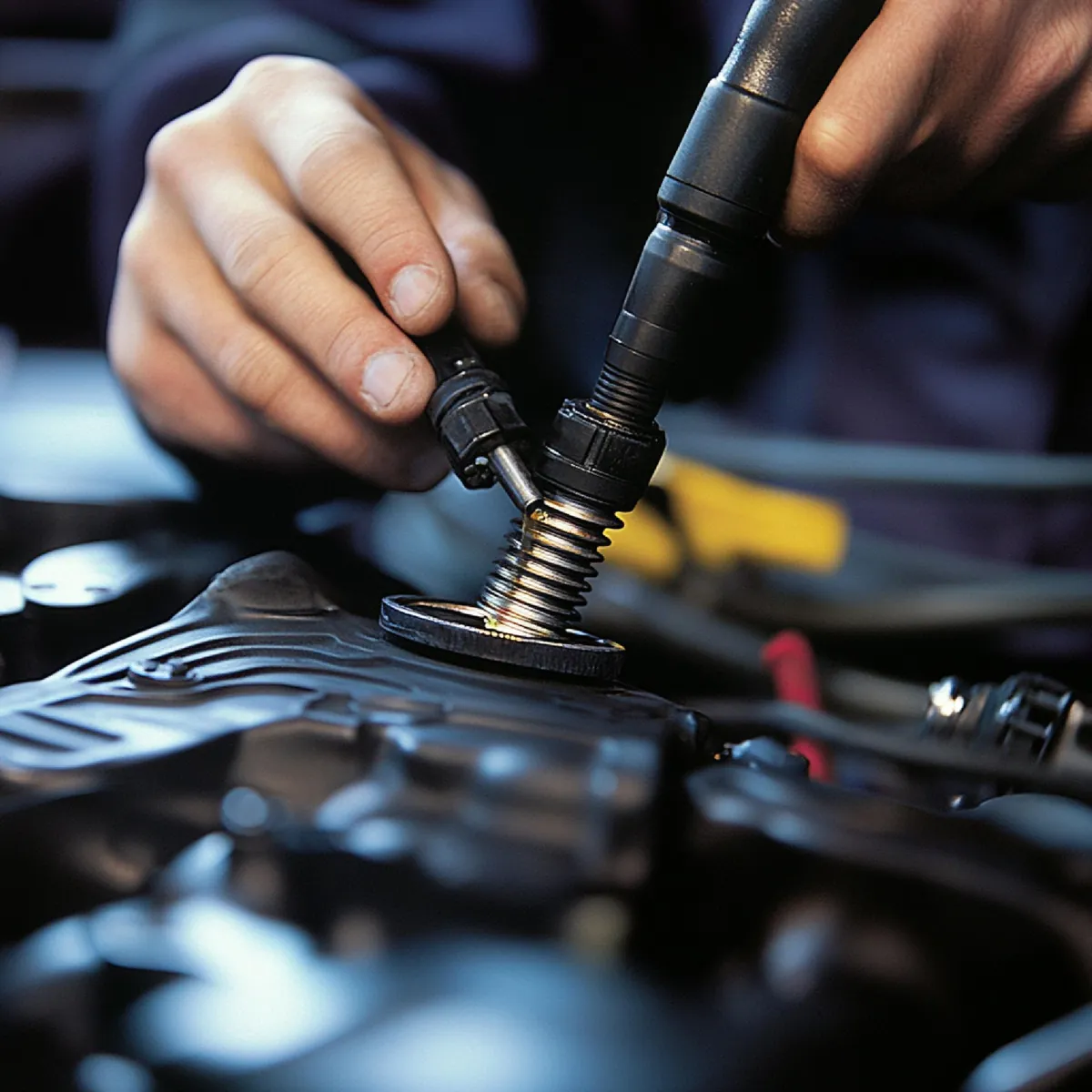
A technician begins by identifying the access point closest to the area of concern, whether that is a spark plug bore for cylinder inspection, a coolant hose fitting for radiator examination, or a service port for AC evaporator access. The appropriate EVi Scopes EVi probe diameter is selected to pass through that opening without forcing. Once inserted, the articulating tip steers toward the target surface while the display shows a live feed. The technician records still images or short video clips of any anomaly found: pitting on a cylinder wall, scale buildup on a radiator tube, or refrigerant dye residue marking a leak path. Those recordings attach directly to the job card and give both the workshop and the vehicle owner a permanent visual record. For a car overheating diagnosis, this process can confirm whether the radiator is blocked or the water pump impeller is intact, avoiding speculative disassembly. The same speed advantage applies when a check engine fault code points to a combustion issue: visual confirmation of cylinder condition guides the repair decision before any parts are ordered.
More than just a clear view
Especially with pressure vessel testing or machine maintenance: Those who see early what's changing can act in time.
No paper chaos, no follow-up submissions – results can be saved, traced and presented directly. Especially important for proof to authorities or customers.
In quality assurance, the difference between “looks good” and “is flawless” sometimes makes all the difference. Good images help with decision-making.
When multiple people inspect together – live or with saved images – decisions can be made faster and clearer. That saves time and nerves.
FAQ
Because many people are interested: Here you will find practical answers to frequently asked questions about our product portfolio and our services – explained in an understandable way, directly from practical experience.
Questions? We are happy to help.Most standard spark plug bores accept a probe in the 5 to 6 mm diameter range. The EVi 5 and EVi 5.7 series are designed for exactly this application, passing through the bore to give a direct view of the piston crown and cylinder wall without engine disassembly.
Yes. An endoscope can inspect the evaporator core for debris, corrosion, or refrigerant dye traces indicating a leak path. Accessing the evaporator housing through an existing service opening avoids dashboard removal and gives you a visual finding before ordering any parts.
UV illumination at 365 nm activates fluorescent dyes added to automotive AC and cooling systems for leak detection. Under UV light, the dye glows at the leak point, making the exact location visible inside a component that would otherwise require disassembly to inspect.
Yes. Diesel cylinders present the same access constraints as petrol engines, and carbon fouling on diesel pistons and injector tips is often heavier. The EVi probe articulates to direct the view toward specific areas of the combustion chamber regardless of engine type.
The ECU stores a fault code identifying the affected system or sensor. An endoscope adds the physical picture: a misfiring cylinder code combined with a visual of a cracked valve or scored wall confirms whether the repair is a sensor swap or an engine rebuild.
A stuck thermostat typically causes rapid temperature rise from cold, while a failing water pump often produces overheating only under load. An endoscope can inspect the water pump impeller through a hose fitting to check for corrosion or blade damage without removing the pump.
Yes. EVi Scopes instruments capture still images and video clips during inspection. These recordings attach to the job card and give the customer direct visual evidence of the fault, which supports the repair recommendation and reduces disputes about whether a problem actually exists.
The EVi 5 series offers the slimmest probe profiles in the EVi Scopes range, making it the practical choice for restricted access points in turbocharged or heavily packaged engine bays. Probe length options allow reach into deep cavities without repositioning the vehicle.
For a visual inspection of radiator tubes and internal surfaces, partial drainage to lower the coolant level below the inspection point is usually sufficient. Full drainage is not required, which keeps the process quick and avoids the time cost of a complete coolant flush.
A standard checklist covers externally visible items: fluid levels, tire condition, lights, and belts. Adding an endoscope check extends that coverage to internal cylinder condition, radiator tube integrity, and evaporator core health, giving a complete picture of the vehicle's actual mechanical state.