

















Greater Safety in Ongoing Operations
Especially with pressure vessel testing or machine maintenance: Those who see early what's changing can act in time.
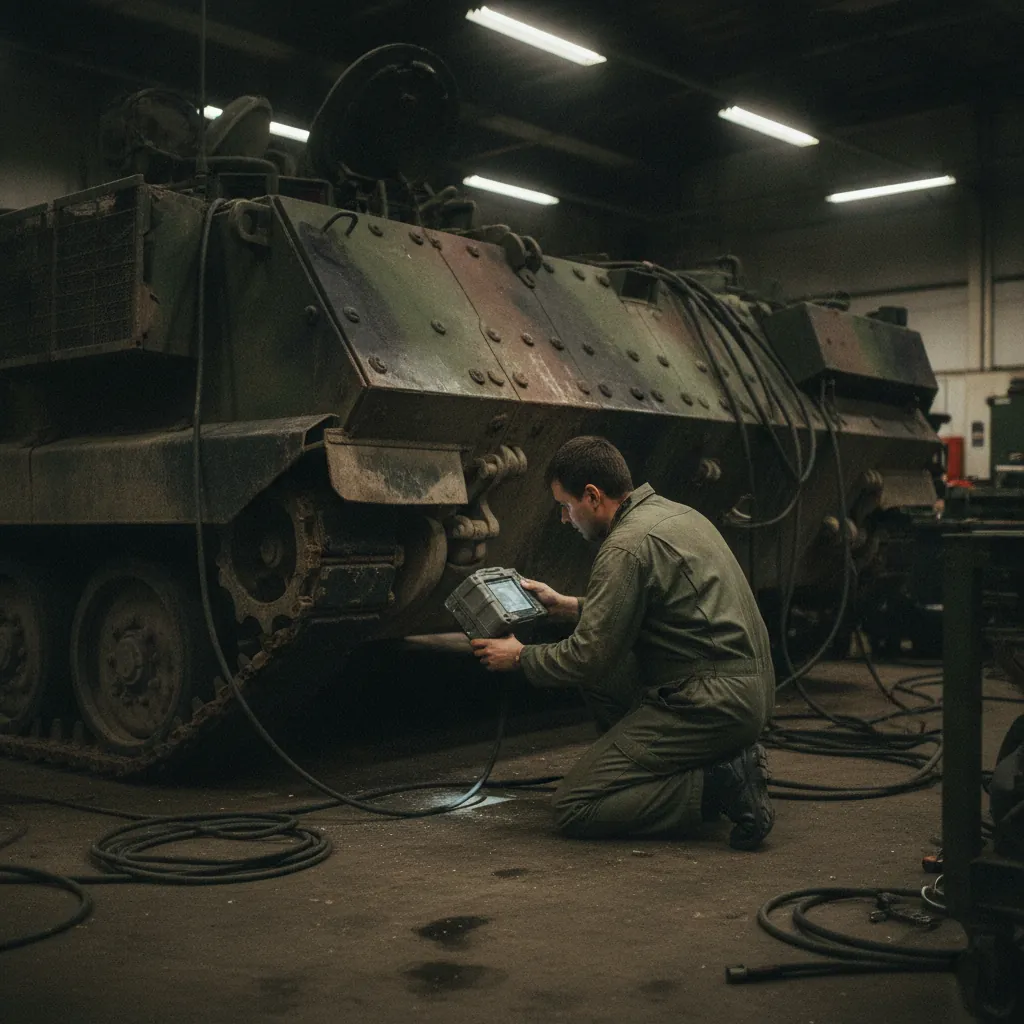
Military equipment operates in conditions that push hardware to its absolute limits. Extreme temperatures, mechanical shock, electromagnetic interference, and sustained vibration are not edge cases in defense environments, they are the baseline. When inspection tools fail under those conditions, the consequences reach far beyond a missed maintenance window. Certification programs stall, procurement timelines slip, and field readiness suffers.
Defense testing covers a broad range of verification activities, from MIL-STD-810 environmental qualification to EMC testing and full V&V (Verification & Validation) cycles. Each of these disciplines demands inspection instruments that can themselves withstand the environments they are sent to evaluate. A video endoscope used during shock and vibration testing of an aircraft component, for example, must maintain image stability and mechanical integrity throughout the test sequence. It cannot be a weak link in the chain.
EVi Scopes designs its video endoscope and borescope product lines with exactly this kind of operational context in mind. The EVi series instruments are built to accompany inspection tasks across the full defense testing lifecycle, from initial component qualification through ongoing maintenance verification. Whether your team is conducting internal inspections of turbine housings, examining weld integrity in armored vehicle structures, or verifying surface conditions under UV illumination during non-destructive testing, the right optical tool makes the difference between a conclusive result and an ambiguous one.
Defense testing environments expose inspection equipment to stresses that commercial-grade tools are simply not designed to handle. During shock and vibration testing, an endoscope inserted into a test article may itself be subjected to transmitted forces. If the insertion tube buckles or the optical path degrades, the inspection result becomes unreliable precisely when reliability matters most. EMC testing introduces another layer of complexity: electromagnetic fields generated during conducted or radiated emissions testing can interfere with camera electronics, producing image artifacts or complete signal loss at the worst possible moment.
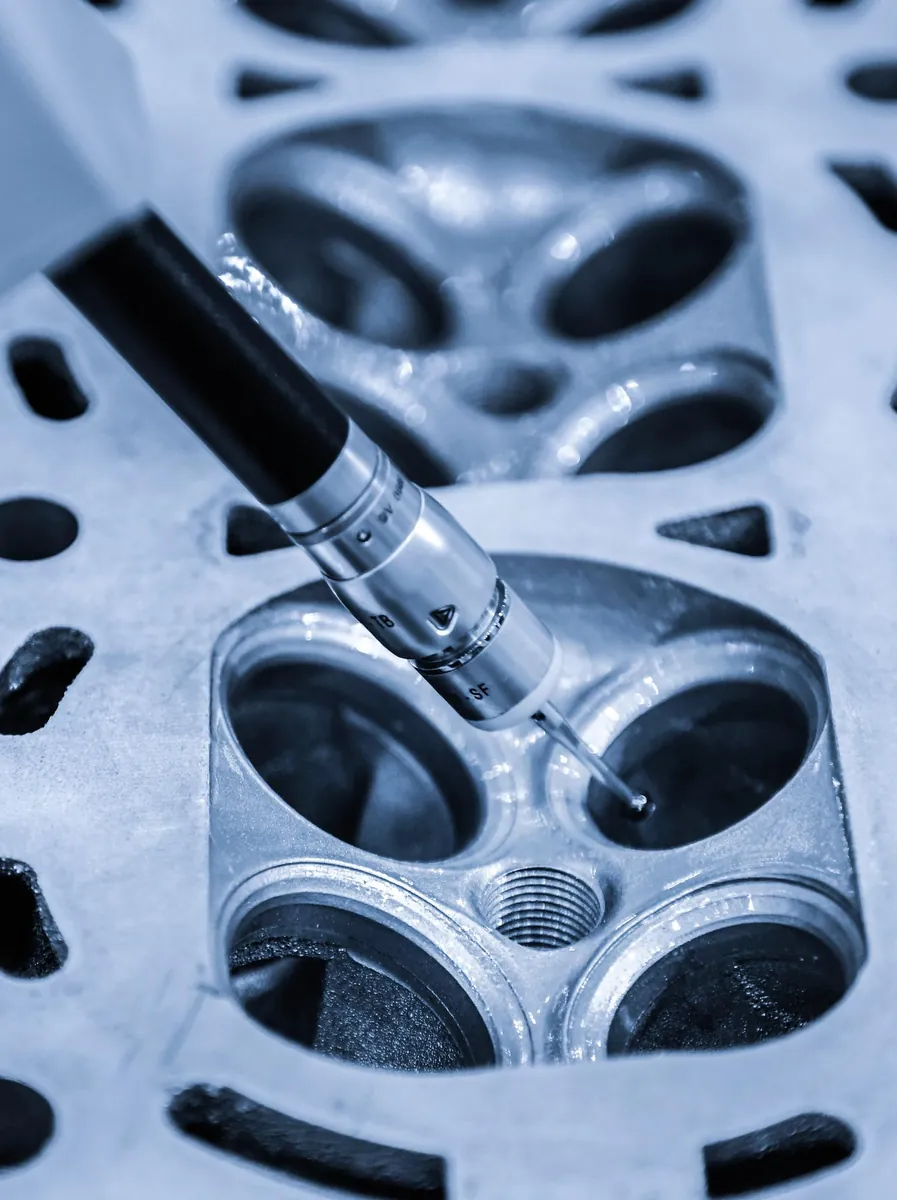
V&V (Verification & Validation) programs in defense procurement are structured, documented, and auditable. Every inspection step must produce traceable evidence, which means your endoscope needs to capture still images and video footage that meet documentation standards. Lighting consistency matters as much as optical resolution. Instruments that shift color temperature between inspections, or that cannot reproduce UV fluorescence conditions reliably across multiple test runs, create gaps in the evidence record that reviewers will flag. EVi Scopes instruments integrate directly into your documentation workflow, reducing rework later in the qualification cycle.


The EVi Scopes EVi product range covers video endoscopes, rigid borescopes, and pipe cameras across a wide span of probe diameters and working lengths. Variants with white light, UV illumination at 365 nm, and infrared are available, giving your team the flexibility to match the illumination source to the specific non-destructive testing method your qualification protocol requires. Custom configurations through the EVi Series S address inspection geometries that standard models cannot reach.
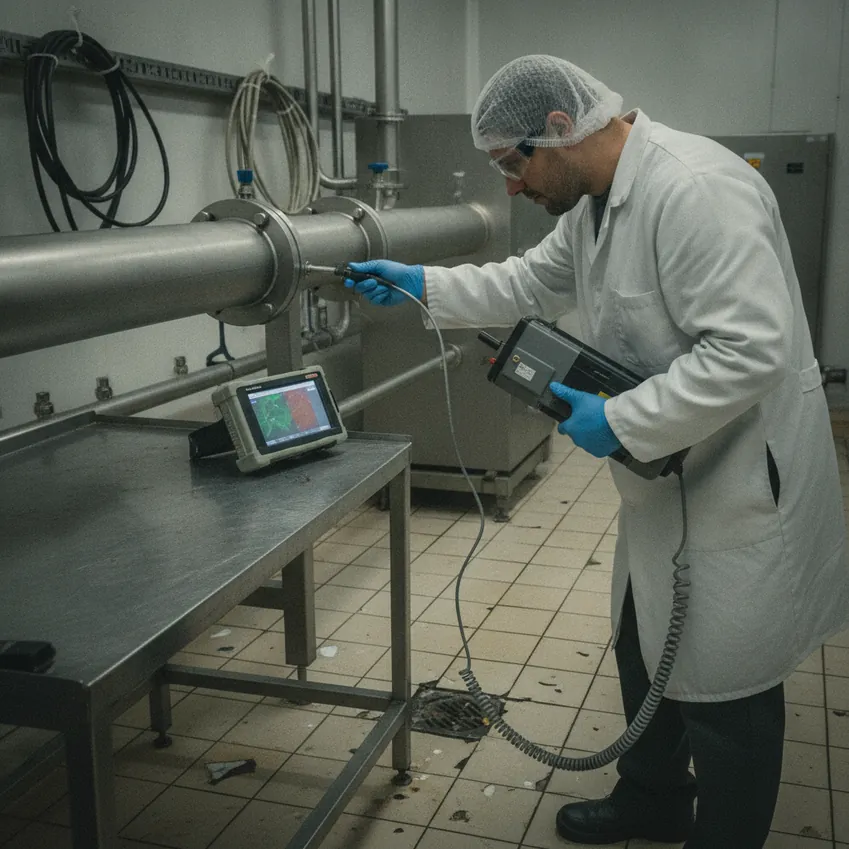
Across defense testing disciplines, the quality of an inspection finding depends as much on illumination control as on optical resolution. During fluorescent penetrant inspection, for instance, UV illumination at 365 nm activates fluorescent indications that white light simply cannot reveal. The EVi 5 ZUV, EVi 5.7 ZT UV, and EVi 6 ZT UV variants deliver that specific wavelength consistently, which matters when your procedure document specifies a particular light source and your auditor will check that specification against your equipment records.
Defense hardware rarely presents straightforward access. Turbine blades, hydraulic manifolds, munitions casings, and structural weld zones each impose their own geometric constraints on the inspection probe. The EVi 5 series handles smaller diameter access points, while the EVi 6 and EVi 8.0 series address larger bores where image area and depth of field become the limiting factors. For confined spaces that require a rigid approach, the EVi Scopes EVi BS borescope series and EVi SD rod probe endoscopes provide stable, high-resolution views without the flexibility trade-offs of an articulating tube. When the inspection geometry changes between test campaigns, switching instrument families within the EVi range keeps your documentation consistent without forcing a full re-qualification of your inspection method.
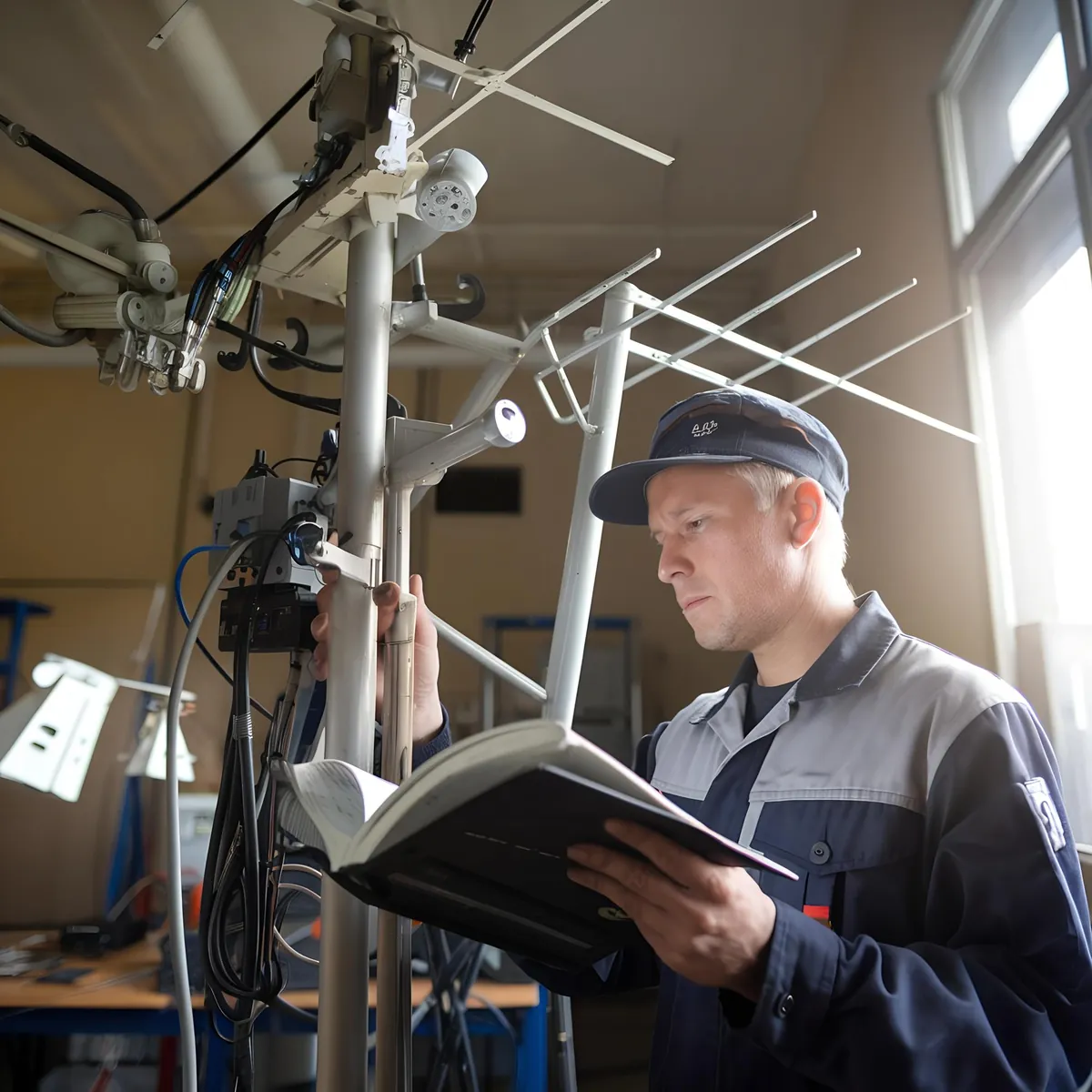
Experienced defense testing teams understand that an inspection is only as strong as its recorded evidence. MIL-STD-810 test reports, EMC compliance packages, and V&V closure documents all require photographic or video evidence that is traceable to a specific instrument, a specific date, and a specific configuration. This means your endoscope must produce image files with sufficient resolution and color fidelity to survive the scrutiny of a program office review, not just look acceptable on a laptop screen in the field. EVi Scopes infrared variants like the EVi 5 ZIR and EVi 6 ZT IR extend this documentation capability into thermal inspection scenarios, where surface temperature gradients in electronic assemblies or composite structures can indicate hidden defects that neither white light nor UV illumination would catch. Defense programs that integrate multiple illumination modalities into a single inspection campaign gain a more complete picture of component condition, and they build an evidence record that holds up across the full qualification lifecycle. Selecting instruments that support that multi-modal approach from the outset avoids the cost of retrofitting your inspection method mid-program.
Whether industrial endoscope, uv inspection light or camera system – we deliver what you need for your visual inspection. Tailored to your needs. Direct, robust, reliable. Get expert advice now. We help you select and properly apply your inspection technology.
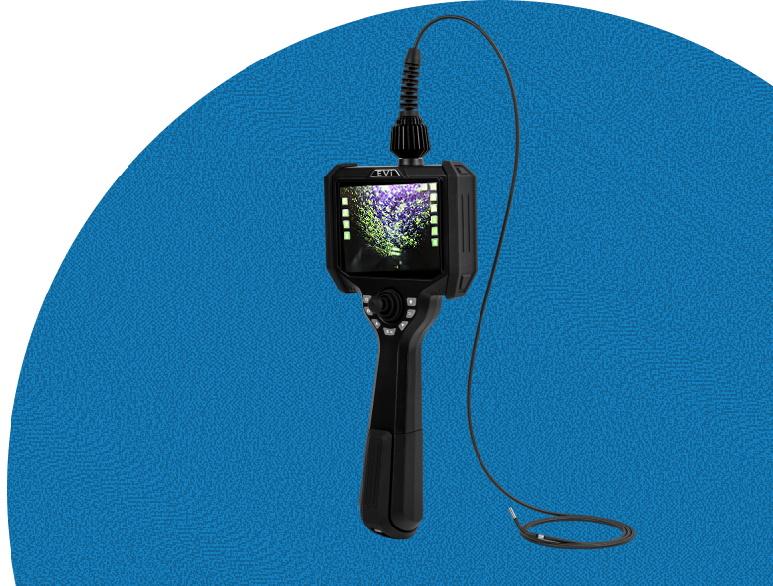
When a defense testing team contacts EVi Scopes, the starting point is always the specific inspection task rather than a product catalog. The relevant details are the access diameter, working length, required illumination type, and the documentation standard the program applies. From that conversation, the appropriate EVi series and variant emerge naturally. For straightforward applications, a standard model from the EVi 5, EVi 5.7, or EVi 6 series covers the requirement. Where the geometry or the test protocol falls outside standard parameters, the EVi Series S custom configuration process begins, with EVi Scopes engineering working from the client's technical specification. Once the instrument is selected or configured, delivery and commissioning follow. Because defense programs operate on fixed timelines tied to test campaigns and procurement milestones, EVi Scopes treats schedule clarity as a core part of the service. Support is available in multiple languages, reflecting the international character of defense procurement across NATO and allied-nation programs. If your program requires a consultation before committing to a configuration, that conversation costs nothing and often resolves the key technical questions within a single exchange.

More than just a clear view
Especially with pressure vessel testing or machine maintenance: Those who see early what's changing can act in time.
No paper chaos, no follow-up submissions – results can be saved, traced and presented directly. Especially important for proof to authorities or customers.
In quality assurance, the difference between “looks good” and “is flawless” sometimes makes all the difference. Good images help with decision-making.
When multiple people inspect together – live or with saved images – decisions can be made faster and clearer. That saves time and nerves.
FAQ
Because many people are interested: Here you will find practical answers to frequently asked questions about our product portfolio and our services – explained in an understandable way, directly from practical experience.
Questions? We are happy to help.An endoscope used during MIL-STD-810 campaigns must maintain mechanical integrity and image stability under transmitted shock and vibration loads. It also needs to produce traceable image and video evidence that meets the documentation requirements of the test report, including instrument identification and configuration details.
EMC test environments generate strong electromagnetic fields that can affect camera electronics. Before deploying any EVi instrument inside an active EMC test chamber, consult with EVi Scopes to confirm the specific variant's shielding characteristics and whether the test setup allows for external camera positioning instead.
The EVi 5 series covers the smallest access diameters in the EVi Scopes range and suits tight bores in components such as hydraulic manifolds, turbine cooling passages, and munitions casings. Probe diameter and working length should be confirmed against your specific access geometry before ordering.
UV illumination at 365 nm excites fluorescent penetrant indications that remain invisible under white light. The EVi 5 ZUV, EVi 5.7 ZT UV, and EVi 6 ZT UV variants deliver this wavelength consistently, allowing the endoscope to serve as the inspection instrument during the fluorescent penetrant examination step.
EVi video endoscopes capture still images and video footage that can be transferred for inclusion in V&V documentation packages. Specific file format and resolution details are confirmed during the product consultation, as requirements vary by program and documentation standard.
A custom Series S configuration is appropriate when the access geometry, working length, or illumination requirement falls outside the standard EVi range. This typically applies to inspection tasks with unusual probe diameters, extreme working lengths, or combined illumination modes not available in a single standard model.
Infrared illumination reveals surface temperature gradients in electronic assemblies and composite structures, identifying heat-related defects that white light and UV inspection miss. The EVi 5 ZIR and EVi 6 ZT IR variants are designed for this application and produce image evidence suitable for inclusion in thermal inspection records.
NATO STANAG requirements influence equipment compatibility and documentation standards across member-nation programs. EVi Scopes can discuss how specific EVi configurations align with your program's compatibility requirements during the initial consultation, though formal STANAG compliance certification depends on the specific agreement and program authority.
The process starts with a technical consultation covering access diameter, working length, illumination type, and the applicable documentation standard. EVi Scopes then identifies the appropriate EVi series and variant, or initiates a Series S custom configuration if the standard range does not cover the requirement.
Yes. EVi Scopes operates internationally and supports customers across multiple languages, reflecting the multinational character of defense procurement. The Berlin-based team handles inquiries from allied-nation programs and can be reached by phone, email, or through the eviscopes.com website.